 by
by 
What is an oven? A huge heated box with shelves for pans with dinner. But if it was that simple, we wouldn’t share this article, right? This box has complex technology inside, so electricity or gas is transformed into controlled heat. The biggest challenge for the oven is constant interaction with food full of water, oil, and small particles that are emitted everywhere around. And as you can guess, the consequences of them interfering with the oven working process can be pretty dangerous. Uneven heat is a really minor problem in comparison to safety and fire hazards, in addition to costly repairs. Of course, you can avoid any issues by simply using our oven cleaning tips you’ll find in this article!
The Real Value of Routine Care and Oven Cleaning Tips
A clean oven isn’t only aesthetically pleasant. When there is no burnt food and grease inside, your meals won’t have a smoky flavor ruining the taste. Clean parts and heating elements perform correctly, keeping your energy bills low. You’ll also notice that clean and maintained parts break less and help prevent costly repairs to circuit boards, heating elements or even mechanical parts like oven doors. And as homeowners ourselves we know how hard it can be to clean the oven. We use these tips for cleaning your oven to make this process fast and easy.
How Neglecting Oven Cleaning Tips Affect Performance
Shortly, it slowly destroys your oven, shortening its life and leading to worse performance. Buildup, dirt and grease can interfere with the normal operation of temperature sensors and heating elements. In result, you’ll face uneven cooking and longer preheat times. Applying proven oven cleaning tips helps prevent these issues before they turn into breakdowns. Routine attention doesn’t require harsh chemicals or hours of work. Simple habits, paired with smart cleaning oven tips, can protect both gas and electric models from avoidable wear.
Problems Caused by Grease, Spills, and Food Residue
Grease buildup isn’t just unsightly — it’s destructive. Over time, it can:
- Create unpleasant smoke and odors
- Trigger false temperature readings
- Increase fire risk
- Damage interior coatings
Using our practical tips to clean the oven timely will protect you from all the above. And you won’t need any special tools or chemicals — only what you already have at home.
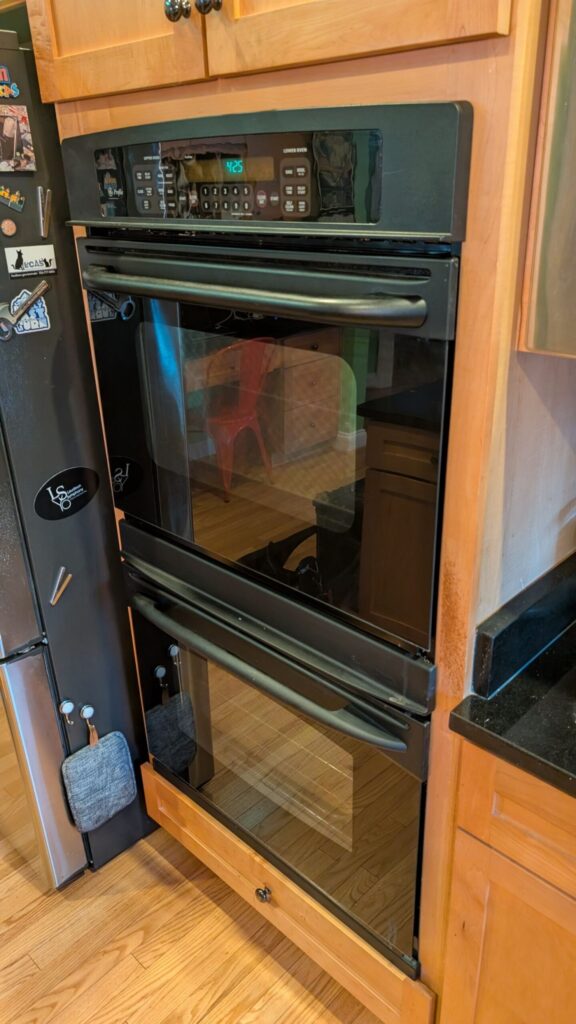
Gentle Cleaning Methods That Reduce Wear
One of the most important cleaning oven tips: we strongly recommend you to avoid aggressive chemicals and scrub your oven inside. Not only it’ll break the protective coat, leading to rust buildup, but also can damage the heating system. Good news that we have some tips for cleaning an oven with only gentle methods that will leave your oven unharmed.
Choose Soft, Non-Scratching Cleaners Soft
Sponges and mild chemicals like baking soda with warm water are your best friends. They’re as effective as their more aggressive versions, the only difference is you have to wait a little bit longer before they come into action. This is one of our favorite tips for cleaning your oven that preserves interior coatings and prevents rust.
Limit Water Around Heating Elements
Corrosion and rust are going to destroy everything in their way once they appear. That’s why it is crucial to avoid moisture near all electrical elements and heating parts. And since we’re sharing easy tips to clean the oven, one simple rule is to dampen your cloth so it won’t leave a massive wet trail.
Wipe Spills Before They Harden
It takes almost nothing to remove a fresh spill. However, older ones are hard and difficult to dissolve, so act quickly and remove all dirt before it is baked into your oven!
Is the Self-Cleaning Feature Safe Over Time?
This feature is a true helper in the life of a homeowner. But like everything in our life, it should be used wisely. Starting a self-cleaning process too frequently over time may strain door locks, seals, and control boards. Combine the self-cleaning option with our manual oven cleaning tips and your oven will serve you longer.
Best Ways to Clean Racks, Trays, and Oven Glass Oven
Racks usually are the most exposed to the dirt and buildup. Clean them separately from the oven to get access to all surfaces. You can soak them in warm water with mild cleaning chemicals like soda so it’ll gently remove all the dirt without hard scrubbing. This one is the most popular among other effective tips cleaning oven racks that keep metal coating fine. For glass doors, avoid razor blades or abrasive pads. A paste of baking soda and water lifts grime safely, reinforcing smart tips cleaning oven racks and door care habits.
How Often Should You Clean to Prevent Breakdowns?
Check your oven after each cooking session for fresh spills and remove them if you find any. Wipe the oven with warm water weekly and after heavy use to ensure there are no dirt buildings inside. Deeper cleaning with soft chemicals will be effective every two or three months depending on your load. These simple schedule tips for cleaning an oven prevent buildup that leads to overheating or part failure.
When Cleaning Isn’t Enough
Sometimes grime isn’t the real problem. Warning signs include:
- Uneven cooking despite a clean interior
- Persistent burning smells
- Error codes or failure to heat
If these appear, professional servicing may be necessary. Still, regular care using reliable oven cleaning tips helps you catch problems early and avoid sudden breakdowns.
By combining gentle methods, timely wipe-downs, and mindful use of features, you protect your oven’s performance and extend its working life — without unnecessary effort or damage.
Check our YouTube Channel, Facebook and Nextdoor pages to find out more about ovens and other appliances DIY advices that help them work longer.